November 10, 2026
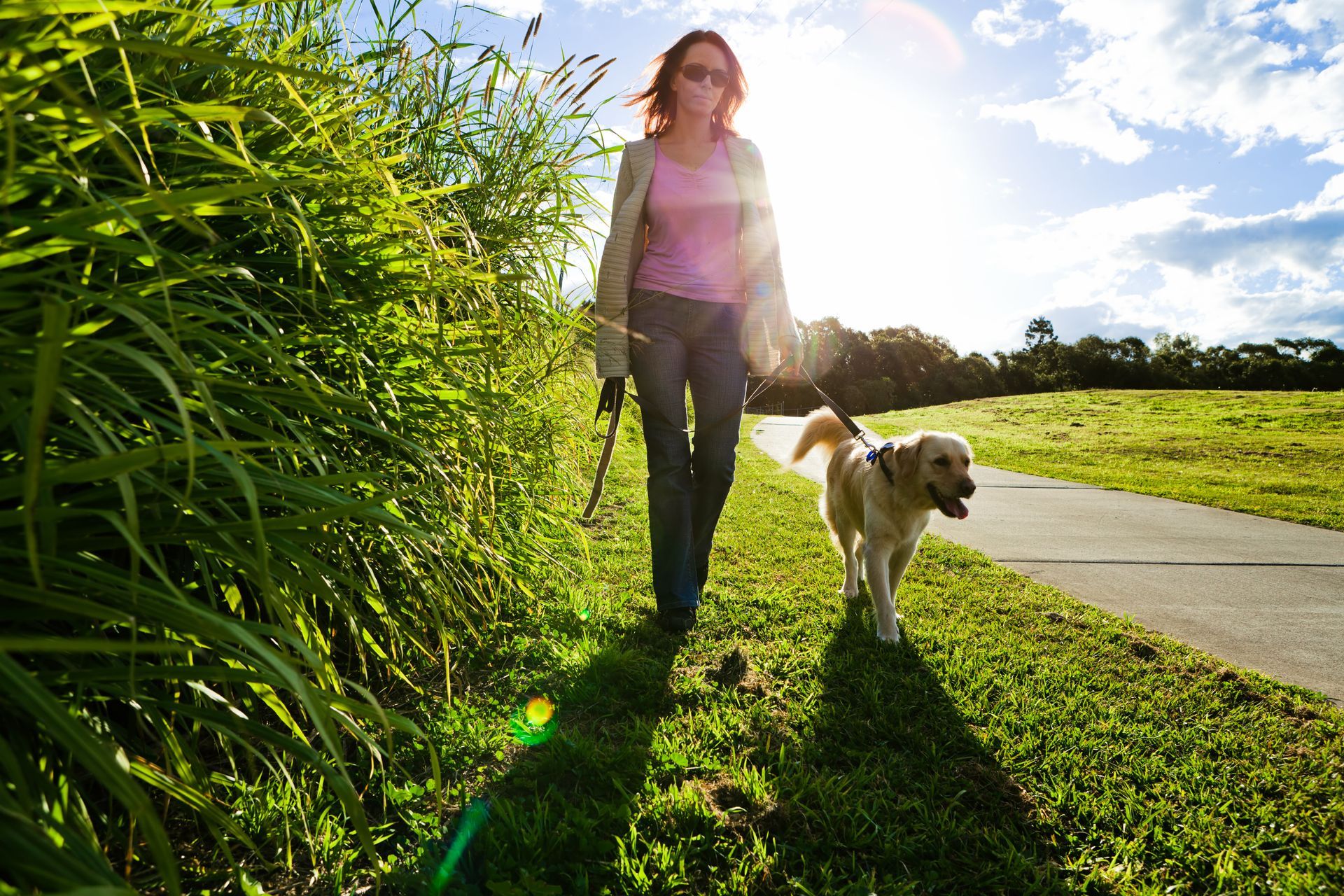
Daily walks provide dogs with valuable exercise, mental stimulation, and opportunities to explore their surroundings. However, pulling, lunging, and inconsistent responses to leash cues can make these outings stressful for both dogs and their owners. Building better leash manners takes patience, consistency, and an understanding of canine behavior. With the right training techniques, everyday walks can become safer, calmer, and more enjoyable experiences.
Start With the Right Leash and Equipment
Having appropriate walking equipment can make training more comfortable and manageable. A standard leash that provides adequate control without restricting normal movement is a practical starting point for many dogs. The leash should offer enough length for comfortable walking while allowing owners to guide their pets away from potential hazards.
Harnesses can also be helpful, particularly for dogs that tend to pull or have difficulty walking with a traditional collar. A properly fitted harness distributes pressure across the body rather than concentrating it around the neck. Owners should choose equipment based on their dog's size, physical needs, and walking habits. Equipment alone will not eliminate pulling, but it can support safer handling while new habits develop.
Working with a dog trainer can help owners determine which equipment is appropriate for their pets. Proper fit, comfortable materials, and consistent use all contribute to a more positive walking experience.
Teach Your Dog to Recognize Basic Walking Cues
Before expecting a dog to walk calmly through a busy neighborhood, it helps to establish a few simple communication cues. Words such as "heel," "let's go," and "wait" can help dogs understand what their owners expect during different parts of a walk. These cues should be introduced in a quiet environment where distractions are limited.
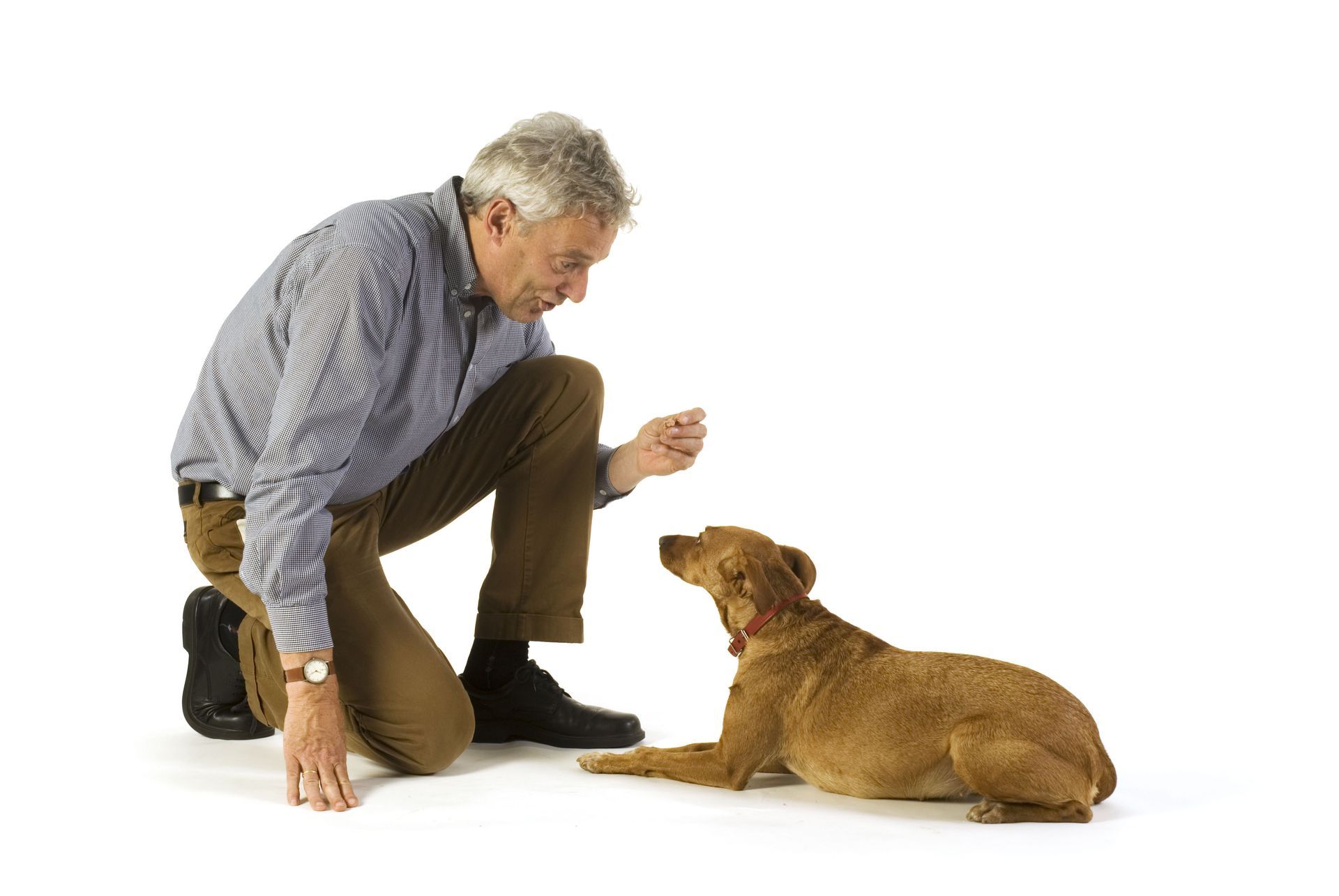
Begin by rewarding your dog for looking toward you, standing beside you, or following your movement. When your dog responds to a cue, offer praise or a small treat to reinforce the behavior. Keep early practice sessions short enough to maintain interest and avoid overwhelming your pet.
A dog trainer can demonstrate how to introduce walking cues in a way that makes expectations clear. Over time, dogs can learn to recognize these signals even when their surroundings become more interesting. Consistent communication also helps owners redirect unwanted behaviors before they develop into more challenging habits.
Use Positive Reinforcement to Encourage Loose-Leash Walking
Positive reinforcement is an effective way to teach dogs which behaviors are desirable. Instead of focusing only on correcting pulling, owners can reward their pets whenever they walk with a relaxed leash. Treats, verbal praise, and opportunities to explore can all serve as rewards when used appropriately.
Start by rewarding your dog for remaining near you without creating tension on the leash. As your pet begins to understand the desired behavior, gradually increase the amount of time between rewards. If the leash becomes tight, pause and encourage your dog to return to a comfortable walking position before continuing.
This approach teaches dogs that walking calmly leads to positive experiences. A dog trainer can help owners choose suitable rewards and establish a reinforcement schedule that supports steady progress. According to Dogster, 73% of dog owners used some kind of training method. This highlights how common training is among pet owners and the importance of using consistent approaches to encourage desirable behavior.
Practice Walking in Low-Distraction Environments
Trying to teach leash manners on a crowded sidewalk can make the learning process unnecessarily difficult. Dogs that are still developing basic walking skills may struggle to focus when surrounded by unfamiliar people, animals, traffic, and interesting smells. Beginning in a familiar, quiet location allows them to concentrate on their owners and practice new behaviors.
A backyard, quiet driveway, or peaceful residential street can provide an appropriate starting point. Once your dog consistently walks with a loose leash in these settings, gradually introduce more stimulating environments. Move to busier sidewalks, parks, and other public areas as your pet becomes more comfortable responding to walking cues.
A dog trainer can help determine when a dog is ready for additional distractions. Gradual exposure gives pets opportunities to build confidence without placing them in situations that are too challenging. If a dog becomes overwhelmed, returning to a quieter setting can help restore focus.
Address Pulling, Lunging, and Other Unwanted Behaviors
Pulling is not the only behavior that can interfere with enjoyable walks. Some dogs jump toward passing people, bark at other animals, or become overly excited when they encounter unfamiliar surroundings. Others may stop frequently, refuse to move, or attempt to change direction without warning. Each behavior requires patience and an approach that considers what is causing the response.
When a dog pulls, stopping and waiting for the leash to relax can help prevent the behavior from being rewarded with forward movement. For lunging or excessive excitement, creating additional distance from the trigger may give the dog an opportunity to settle. Owners should avoid jerking the leash or using harsh corrections, as these reactions can increase stress and make walking less comfortable.
A dog trainer can provide guidance for addressing more persistent leash-related challenges. Personalized instruction can help owners recognize early signs of frustration, identify common triggers, and practice appropriate responses. Addressing these behaviors consistently can make neighborhood walks more predictable and manageable.
Make Mental Stimulation Part of Every Walk
Walks should provide more than an opportunity for dogs to move their bodies. Exploring new environments, investigating interesting scents, and encountering different sights can provide valuable mental stimulation. Allowing appropriate opportunities to sniff and explore can make walks more rewarding while helping dogs engage with their surroundings.
Owners can balance structured walking with designated exploration periods. For example, a walk might begin with several minutes of practicing loose-leash manners before transitioning into a slower section where the dog can investigate interesting scents. Alternating between these activities helps maintain engagement without expecting pets to remain focused on their owners every second.
Every dog has different exercise and enrichment needs. A dog trainer can help owners incorporate appropriate activities into walking routines while reinforcing good leash habits. This balance can reduce frustration and make daily outings more satisfying for dogs with different personalities and energy levels.
Keep Training Sessions Consistent and Manageable
Developing reliable leash manners does not happen overnight. Dogs need repeated opportunities to practice new skills before those behaviors become consistent habits. Short, regular training sessions are often more productive than occasional lengthy sessions that leave pets tired or distracted.
Try incorporating leash practice into everyday routines rather than treating it as a separate activity. Reward calm behavior when leaving the house, encourage loose-leash walking throughout the neighborhood, and reinforce appropriate responses when encountering distractions. Everyone who regularly walks the dog should follow similar expectations and use consistent cues.
A dog trainer can help owners establish realistic goals and recognize improvements along the way. Progress may include fewer pulling incidents, quicker responses to verbal cues, or more relaxed reactions around other dogs. Celebrating these smaller achievements helps maintain motivation while reinforcing positive habits.
Better leash manners can transform daily walks from frustrating responsibilities into enjoyable opportunities for exercise, exploration, and bonding. Professional guidance can make the process easier while helping families develop habits that support safer, more pleasant outings for years to come. Our team at Dream Dogs provides dog training, boarding, and dog daycare services in Bermuda Dunes, CA and throughout the Coachella Valley. Contact us today!