
The Science Behind a Successful Canine Behavior Training Program
A well-structured canine behavior training program is crucial for the harmonious coexistence of humans and dogs. Understanding the science behind these training techniques can lead to more effective results and, ultimately, happier dog-owner relationships. According to a Texas A&M study (2025), over 99% of US dogs exhibit behavior problems: 55.6% aggression, 85.9% separation/attachment issues, 49.9% fear/anxiety—yet most owners view them as minor. This article dives into the scientific principles that contribute to the success of these programs, providing a comprehensive overview of topics such as canine psychology, the importance of early socialization, and operant conditioning.
Understanding Canine Psychology
Evolutionary Background of Domestic Dogs
Dogs are descendants of wolves, domesticated thousands of years ago to suit human needs. This evolutionary history is key to understanding their behavior and training responses today. Over generations, dogs have developed a dependency on human companionship and care. Their evolutionary roots explain their pack mentality, social behavior, and innate instincts for survival. Recognizing these traits helps in developing training methods that respect their natural inclinations.
The Role of Instincts and Drives
Instincts and drives are innate, motivating factors that influence canine behavior. These include the drive to hunt, protect, and remain with a pack, which can sometimes manifest in undesirable behaviors if not properly channeled. Trainers use knowledge about these instincts to redirect energy into positive outlets. Addressing instincts allows for more appropriate behavior modification, benefiting both dogs and their human companions. By understanding these primal motivations, the canine behavior training program becomes more effective and less stressful for the dog.
Canine Learning Patterns and Cognition
Canine cognition refers to the mental processes that dogs use in understanding their environment and in problem-solving. Dogs are capable of understanding context and recalling information, which is essential for learning and behavior modification. A canine behavior training program leverages these cognitive abilities by using consistent commands and rewarding appropriate actions. Dogs form associations between certain behaviors and outcomes, allowing behavior to be shaped over time. The ability to learn complex tasks and adapt to new situations is a testament to their cognitive prowess.
Importance of Early Socialization
Critical Periods in Puppy Development
The early stages of a dog’s life are crucial for their development, with specific periods earmarked as critical for socialization. During these phases, puppies are most receptive to new experiences, people, and environments. Proper exposure during these periods can reduce the risk of behavioral problems in the future, such as aggression or fear. Early socialization forms the foundation for a well-adjusted adult dog, helping them adapt to various situations comfortably.
Exposure to Varied Environments
Introducing puppies to various environments is a pivotal part of early socialization. Exposure reduces the likelihood of fear-based responses later in life, building confidence and adaptability. Such experiences should be controlled and positive to ensure they are not overwhelming. The goal is to present a wide range of stimuli, from different people and animals to diverse sights and sounds. Varied experiences help puppies develop into well-rounded dogs, comfortable in numerous settings.
Building Positive Human-Canine Relationships
Early socialization plays a significant role in developing strong bonds between dogs and their human companions. Through positive interactions, puppies learn to trust and depend on humans for care and guidance. Trust is fundamental in ensuring successful training, as a dog that feels safe is more receptive to learning. Encouraging affection and understanding during early interactions lays the groundwork for deeper relationships. These early bonds influence the dog’s behavior and its ability to learn and respond to training cues.
Principles of Operant Conditioning
Definition and Principles
Operant conditioning is a fundamental behavioral training method that involves reinforcing desired behaviors or discouraging unwanted ones. This methodological approach is based on the premise that behaviors followed by positive outcomes are likely to be repeated. The primary components include reinforcement (both positive and negative) and punishment. By strategically applying these components, trainers can shape behavior effectively. Operant conditioning remains the foundation of most modern canine behavior training programs, emphasizing the role of consistent consequences.
Reinforcement and Punishment
In operant conditioning, reinforcement increases the likelihood of a behavior recurring, while punishment decreases it. Reinforcement can be positive, such as giving treats for a behavior, or negative, such as removing an unpleasant stimulus. Punishment, although used less frequently, may involve removing privileges or introducing consequences to discourage a behavior. Understanding the balance and appropriateness of reinforcement and punishment is crucial. Employing these principles correctly can result in effective training outcomes, encouraging desirable behaviors while reducing undesirable ones.
Using Positive Reinforcement in Training
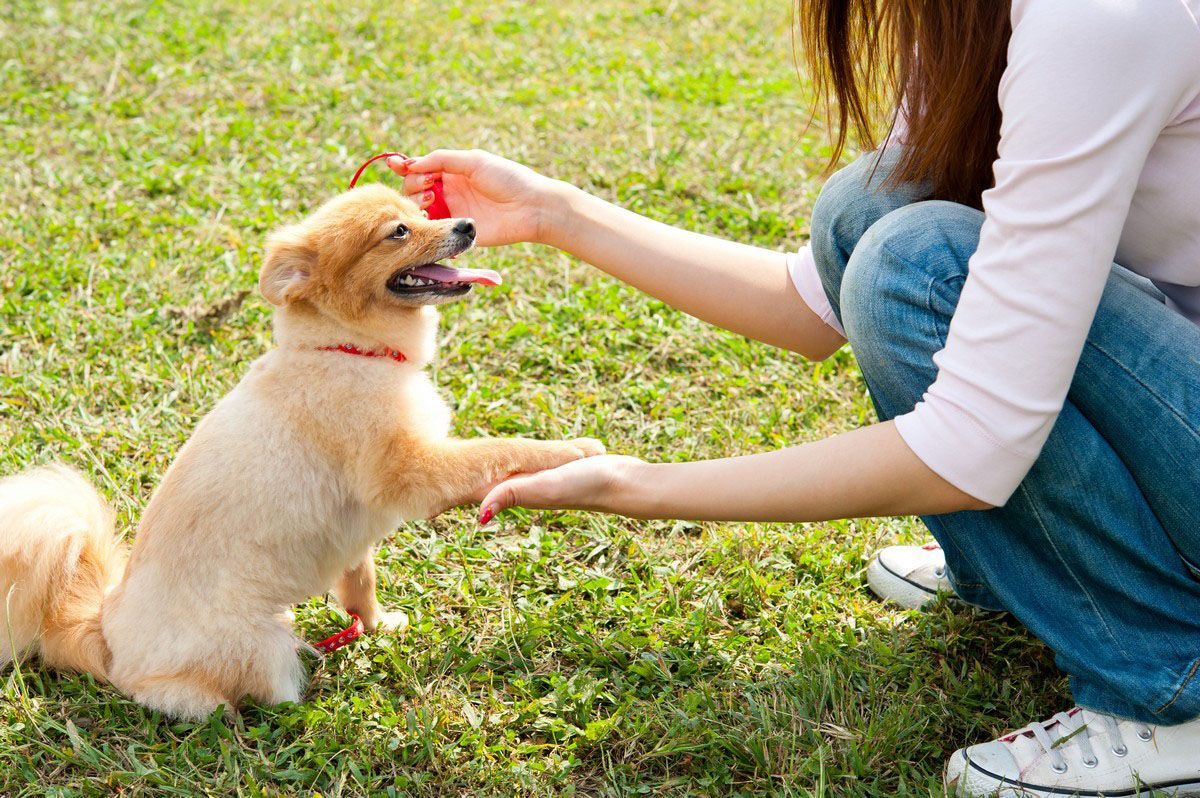
Positive reinforcement involves rewarding dogs for displaying desirable behaviors, encouraging them to repeat these actions. This method is highly regarded for its effectiveness and ethical implications, as it fosters a positive learning environment. Rewards can take various forms, including treats, praise, or play, depending on what the dog finds motivating. Regular use of positive reinforcement helps dogs form positive associations with training activities.
Role of Consistency and Timing
Importance of Consistent Commands
Consistency in commands is fundamental to effective dog training, providing clarity and reducing confusion. Using the same commands for specific actions ensures that dogs associate a particular word or gesture with an expected behavior. Inconsistent commands can confuse the dog and hinder progress, as they struggle to understand what is being asked of them. A unified approach among all family members is necessary to reinforce this consistency, ensuring everyone uses the same language and techniques. Consistency in command vocabulary makes the learning process clearer and more efficient for the dog.
Timing of Rewards and Corrections
The timing of rewards or corrections is critical to successfully shaping behavior. For a dog to understand the connection between their actions and the resulting consequence, responses must be immediate. Delayed rewards or corrections can muddle the learning process, resulting in confusion and potentially reinforcing unwanted behaviors. Immediate feedback helps dogs discern which behaviors are desired or to be avoided, fostering quicker and more reliable learning outcomes.
Building Reliable Behaviors
Establishing reliable behaviors involves crafting predictable responses to commands, heightened through consistent training practices. This reliability is achieved by repetitively practicing behaviors and reinforcing desired outcomes. Patience and perseverance are key, as dogs need time to internalize behaviors and build muscle memory. Once a behavior becomes reliable, it can be reinforced with variable rewards to maintain enthusiasm and engagement. Reliable behavior ensures dogs can be trusted to comply with commands in different settings and situations, demonstrating well-rounded training success.
Influence of Genetics on Behavior
Heritable Behavioral Traits
Genetics play a significant role in determining a dog’s temperament and behavior, passing certain traits down through generations. Understanding these heritable aspects aids in predicting potential behavior patterns and challenges. For example, herding breeds may exhibit innate tendencies toward herd management behaviors, while retrievers often showcase natural retrieving instincts. Trainers can use this knowledge to anticipate and guide behavior to match natural inclinations. Acknowledging genetic contributions allows for tailoring a canine behavior training program that respects inherent traits.
The Interaction of Genetics and Environment
While genetics provides the framework for behavior, the environment significantly influences its expression. Interaction between these factors shapes a dog’s behavioral repertoire, making both crucial in understanding overall behavior. Environmental elements such as socialization, training, and life experiences can amplify, diminish, or alter genetically predisposed behaviors. Recognizing this interplay allows trainers to create nurturing environments that complement natural tendencies while addressing undesirable traits.
A successful canine behavior training program is deeply rooted in scientific principles, from understanding canine psychology to leveraging operant conditioning. The importance of early socialization, genetic considerations, and consistent methodologies cannot be overstated. By comprehensively integrating these elements, trainers can effectively address and modify canine behavior, resulting in well-adjusted, happy dogs. As the field evolves, future research and innovative practices promise to refine and enhance these approaches, benefiting dogs and their human companions alike.
Give your dog the training they need. Enroll with Dream Dogs today for expert behavior programs that create happy, well-adjusted pets.






Share On: