November 17, 2026
A trip to the dog park can be one of the best parts of your dog's week. There's room to run, new smells to explore, and other dogs to meet. It can also go wrong quickly if your dog isn't ready, whether that means pushy greetings, nonstop barking, or a scuffle over a toy. The good news is that most problems are predictable and preventable. With a little preparation and attention, you can help your dog enjoy the park and keep the visit pleasant for everyone else. Below, we'll share practical ways to prepare your dog for the park and explain how dog training services like ours can help when you need extra support.
Understanding Why Dog Park Manners Matter
A dog park is a busy, unpredictable place. Dogs of different sizes, ages, and personalities share the same space, and not every dog wants to play. Some are shy, some are pushy, and some simply prefer to watch. When one dog behaves badly, it can upset others and lead to conflict between owners. Good manners protect your dog's safety and reputation, and they keep outings fun. A dog that listens when called, greets politely, and handles excitement well is much easier to enjoy at the park. Thinking about behavior before you go makes the whole experience smoother. It also helps you spot problems early instead of reacting to them in the moment.
Building Basic Skills Before You Go
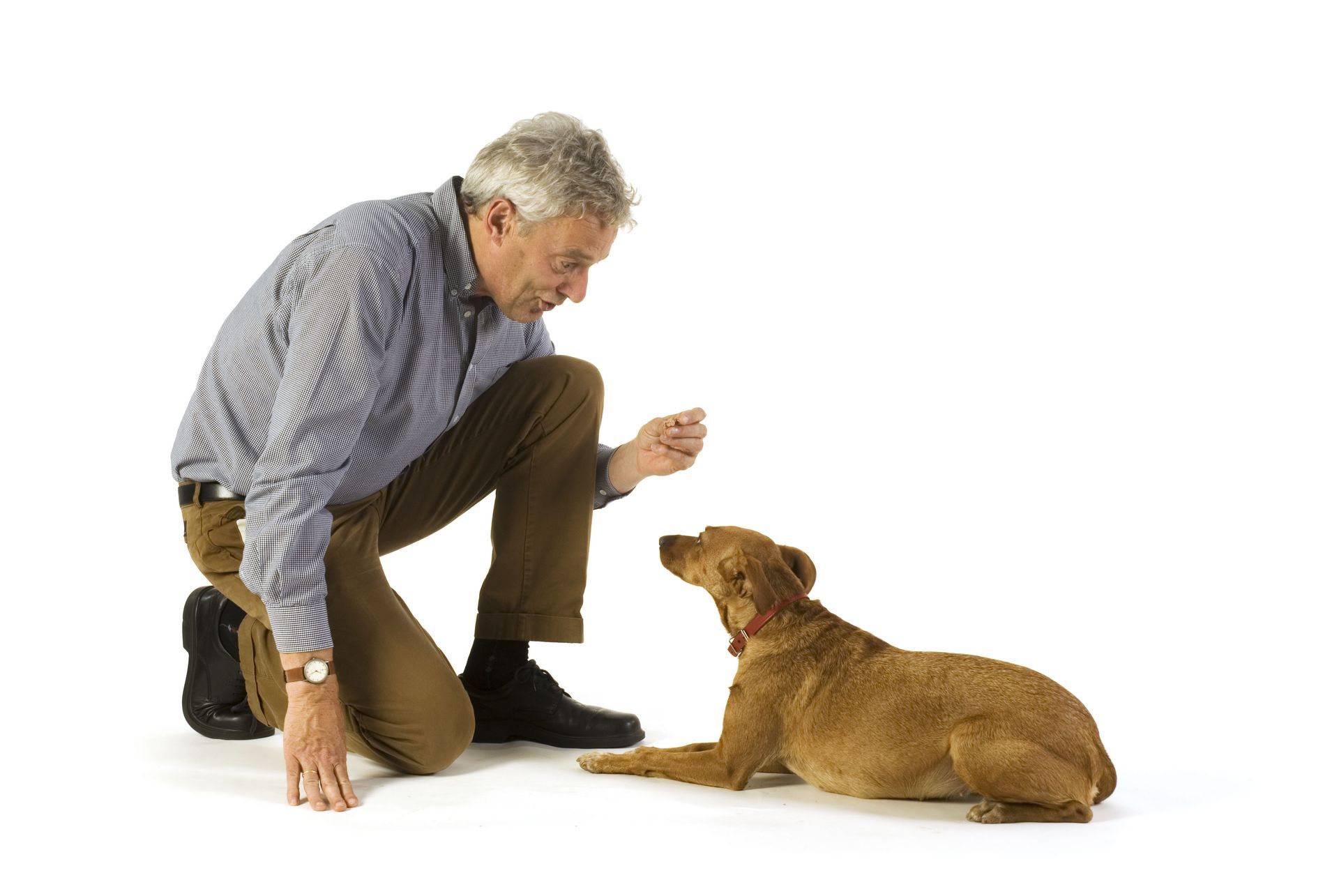
Certain skills make dog park visits far easier. A reliable recall, or coming when called, is probably the most important, followed by sitting, staying, and leaving things alone on command. A dog that can walk calmly on a leash through the gate is also less likely to burst in overexcited. These skills take time and practice, and they work best when they're built gradually and rewarded consistently. Our dog training services include dog obedience, group classes, and private lessons, which can help you build a foundation before you ever step into the park. Starting in a quieter setting gives your dog a chance to learn without the distractions of a crowd.
Choosing the Right Time and Place
Not every moment at the park is equally good. Busy evenings and weekends can be crowded and chaotic, while quieter mornings and weekday afternoons are often calmer. If your dog is new to the park, start with short visits at less busy times. Look for parks with separate areas for small and large dogs and secure double gates. Check the rules posted at the entrance, since many parks require vaccinations, licenses, and leashes until you're inside. Ask your veterinarian which vaccines and preventive care your dog needs before visiting shared spaces. A quick walk around the fence line before going in can also help your dog settle.
Reading Body Language
Dogs communicate constantly, and learning to read them helps you step in before trouble starts. Loose, wiggly bodies, play bows, and relaxed faces usually signal good-natured fun. Stiff posture, a hard stare, raised hackles, or a tucked tail can mean a dog is uncomfortable or tense. Watch not only your dog but the dogs around you, and pay attention to mismatched play styles. A dog that keeps trying to hide behind you or escape may be telling you it's had enough. Noticing early signs gives you a chance to redirect or leave. Practicing this skill makes you a more confident and responsive owner.
Managing Greetings and Play
The first few seconds inside the gate set the tone. Crowding at the entrance can make dogs feel cornered and lead to tension, so try to enter calmly and give your dog space. Let dogs greet each other briefly and avoid long, stiff face-to-face meetings. Healthy play involves taking turns, pausing, and switching roles, and it should look loose and bouncy. If play gets too rough, call your dog away for a break. Our dog training services include puppy school and specialty clinics that give dogs a chance to practice greetings in a guided setting. Seeing how your dog behaves around others in a controlled environment can also tell you a lot about what to work on.
Supporting Nervous or Excitable Dogs
Some dogs get anxious in busy settings, while others become overstimulated and can't settle. Many owners look for extra support, and calming products have become common. According to the American Pet Products Association, 72% of Millennial dog owners and 66% of Millennial cat owners use calming products. Products may help some pets, but results vary, and they work best alongside training and a thoughtful routine. Regular exercise, predictable schedules, and positive experiences all help a nervous dog build confidence. Talk with your veterinarian before trying a new product or supplement. If your dog's nervousness is intense, our dog training services include help with separation anxiety and other behavior challenges.
Handling Toys, Treats, and Rules
Food and toys are common causes of fights at dog parks. Even friendly dogs can become protective of a favorite ball or a tasty treat. Many parks discourage or ban treats and toys for this reason, so check the posted rules. If your dog guards belongings, consider skipping the park or getting guidance from a trainer. Pick up after your dog every time, keep an eye on your dog rather than your phone, and never leave dogs unattended. Staying close lets you step in quickly if play gets too rough. Good owner habits help every dog at the park stay safe and relaxed. A little courtesy toward other owners goes a long way, too.
Knowing When to Leave
Part of being a good dog owner is knowing when it's time to go. If the park gets crowded, tempers rise, or your dog seems stressed, it's okay to cut the visit short. Leaving before a problem happens is far better than reacting afterward. Watch for signs of fatigue, such as heavy panting, slower movement, or loss of focus. Always offer fresh water and a rest in the shade, especially in warm weather. Ending on a good note makes your dog more likely to enjoy the next visit. A short, happy visit is better than a long one that ends badly. Our dog training services can help you practice calm exits so leaving doesn't turn into a struggle.
Getting Professional Help
If your dog struggles with greetings, ignores recall, or reacts to other dogs, a trainer can help. A professional can watch how your dog behaves, identify the cause, and build a plan that fits your dog's personality. Look for trainers who use positive, science-based methods and avoid fear or force. Trainers can also help you read your dog better so you feel more confident at the park. Progress takes patience, but consistent practice pays off. Celebrate small wins along the way, because they add up to real change. Our dog training services use 100% positive reinforcement, and our trainers are VSPDT certified.
At Dream Dogs, we're a woman-owned company that has been helping dogs and their families in Bermuda Dunes, Palm Desert, and the Coachella Valley since 1996. We offer group classes, agility, specialty clinics, private and in-home training, day training, puppy programs, aggressive dog training, separation anxiety training, and board and train, along with boarding, enrichment daycare, and senior pet care. We offer 10% off for military families, and terms may apply. Contact Dream Dogs today to start training.